
Gluten-free meal plan: how to plan a week without gluten
A gluten-free meal plan starts from foods that are gluten-free by nature; then you read the label wherever wheat, barley or rye can turn up.

Short answer: A gluten-free meal plan is a week of meals made without wheat, rye, barley or their crossbreds such as triticale, the grains whose proteins the FDA defines as gluten. Build each meal around foods that are gluten-free by nature, such as meat, fish, fruit, vegetables, rice and potatoes without additives or some seasonings, then read the label of every packaged food you add. If you have celiac disease, follow your doctor’s or registered dietitian’s advice. If you think you might have celiac disease, NIDDK advises talking with your doctor about testing before you begin a gluten-free diet, because the test results may not be accurate if you avoid gluten before testing.
What gluten is and where it turns up
Under the US gluten-free labeling rule (21 CFR 101.91), gluten means the proteins that naturally occur in wheat, rye and barley and in their crossbred hybrids, such as triticale, a cross between wheat and rye. NIDDK lists durum, emmer, semolina and spelt as types of wheat.
NIDDK, part of the US National Institutes of Health, lists the obvious sources first: baked goods, baking mixes, breads, cereals and pastas. Barley may be found in malt, malt extract, malt vinegar and brewer’s yeast. Ingredients such as colorings, flavorings, starches and thickeners can be made from these grains too, so gluten may be found in candy, condiments, hot dogs and sausages, ice cream, salad dressing and soups.
How to plan a gluten-free week
- Write down who avoids gluten. Plan every meal that person eats without gluten, then decide which of those meals everyone shares. If several people have different rules, see meal plans for every diet at your table and planning around several allergies at once.
- Start from foods that are gluten-free by nature. Meat and fish that are not breaded or battered, fruit, vegetables, potatoes, rice and most dairy products, such as cheese, butter and milk, are on the NHS list of foods that naturally do not contain gluten.
- Swap the starch, keep the meal. NIDDK lists flours made from gluten-free foods such as rice, corn, potatoes, quinoa, buckwheat, amaranth, cassava, nuts, soy or beans, and packaged gluten-free bread, pasta and baked goods are sold in many grocery stores. NIDDK notes that packaged gluten-free foods tend to cost more than the same foods with gluten, so a week built on foods that are gluten-free by nature keeps those buys small.
- Choose the meals for each day. Pick breakfasts, lunches and dinners whose ingredient lists have no wheat, rye, barley or ingredients made from them. Simple, ingredient-led dishes leave fewer labels to read.
- Mark every packaged ingredient. Bread, pasta, cereals, oats, sauces, soups and seasonings are the items to check before they go into the cart.
- Shop from the list and read labels in the store. NIDDK advises reading food labels for wheat, barley, rye and ingredients or additives made from them, and checking for gluten-free labeling.
A gluten-free week at a glance
Use this grid as a frame for each day of the plan: meals start from the middle column, and the right column shows where a label needs reading. Foods in both columns come from the NHS and NIDDK lists cited below.
| Meal | Build it from | Read the label on |
|---|---|---|
| Breakfast | Fruit, milk, cheese, potatoes, rice | Cereals, oats, bread |
| Lunch | Rice or rice noodles, quinoa, beans, vegetables, cheese | Soups, salad dressing, condiments |
| Dinner | Meat or fish that is not breaded or battered, potatoes or rice, vegetables | Sauces, gravies, seasonings, hot dogs and sausages |
| Snacks and dessert | Fruit, cheese | Crackers, cakes and pastries, candy, ice cream |
Six recipes made without wheat, barley or rye
One way to fill the grid: microwave scrambled eggs for breakfast, baked red lentil patties for lunch, baked chicken drumsticks or salmon with saffron and shallots for dinner with mashed potatoes on the side, and rice pudding with red berries for dessert.
All six are recipes in the PantryWeave app, made without wheat, barley or rye ingredients in the recipe as written; that describes the ingredient lists, not a gluten-free label or the products you buy, so read the label of each item named on its card.
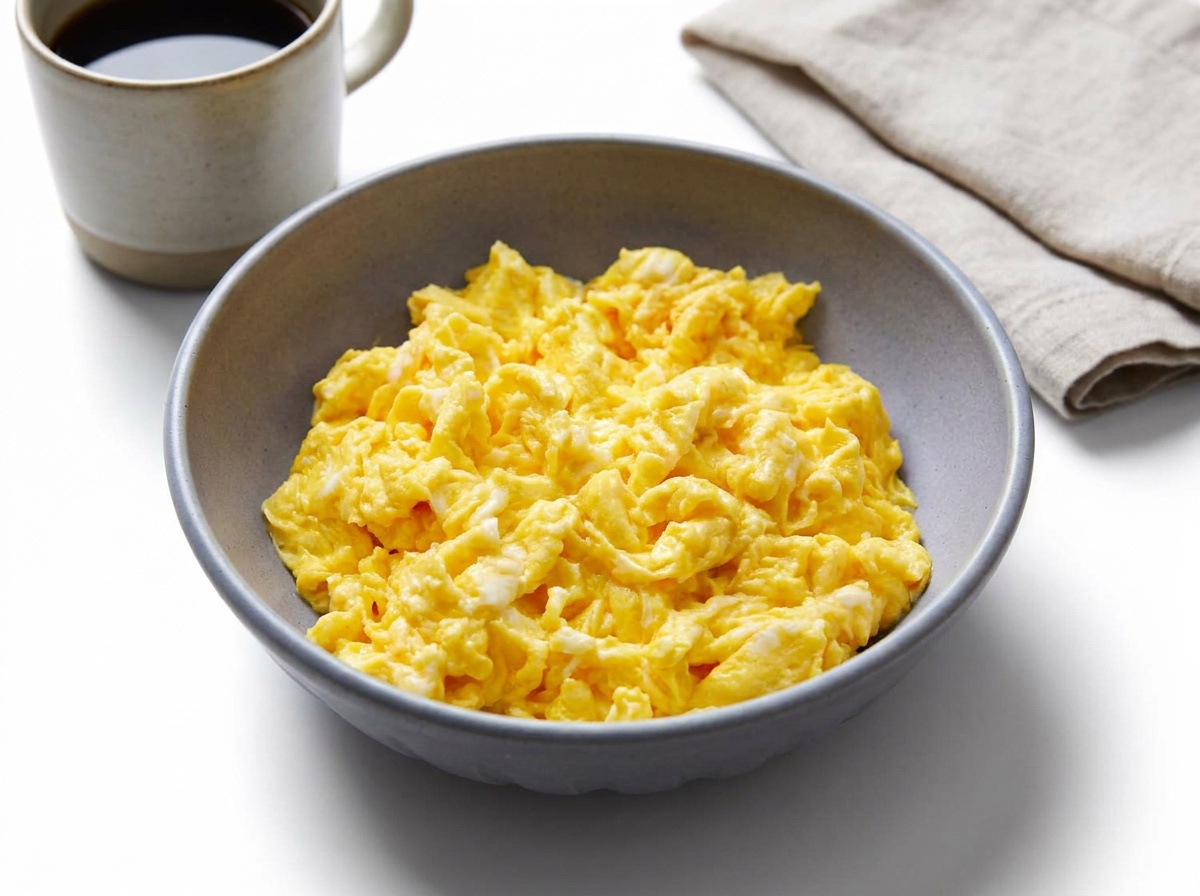
Microwave Scrambled Eggs
Soft eggs whisked with milk and salt, cooked gently in short microwave bursts.
Check the label of the milk.
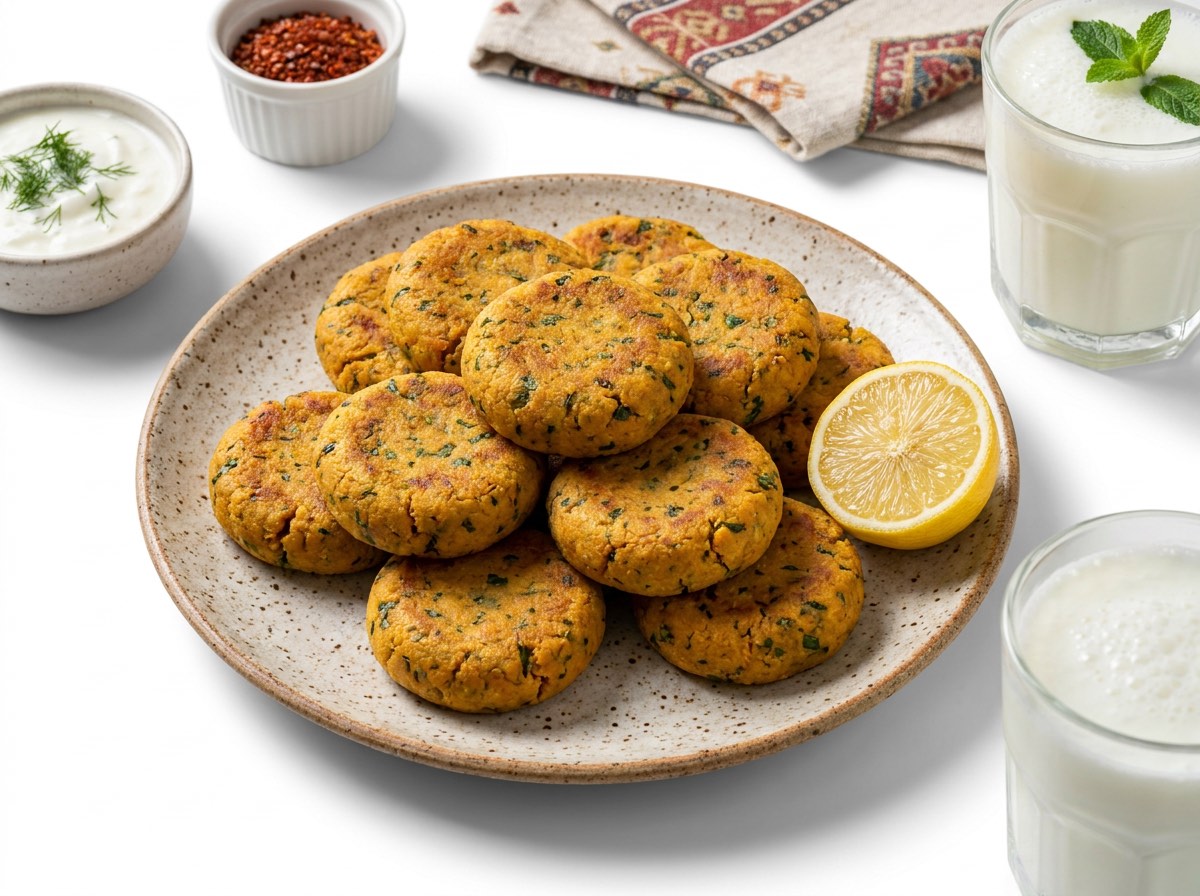
Baked Red Lentil Patties
Spiced red lentil patties blended with onion, garlic, and herbs, baked until golden
Check the label of the red lentils, tomato paste and spices.
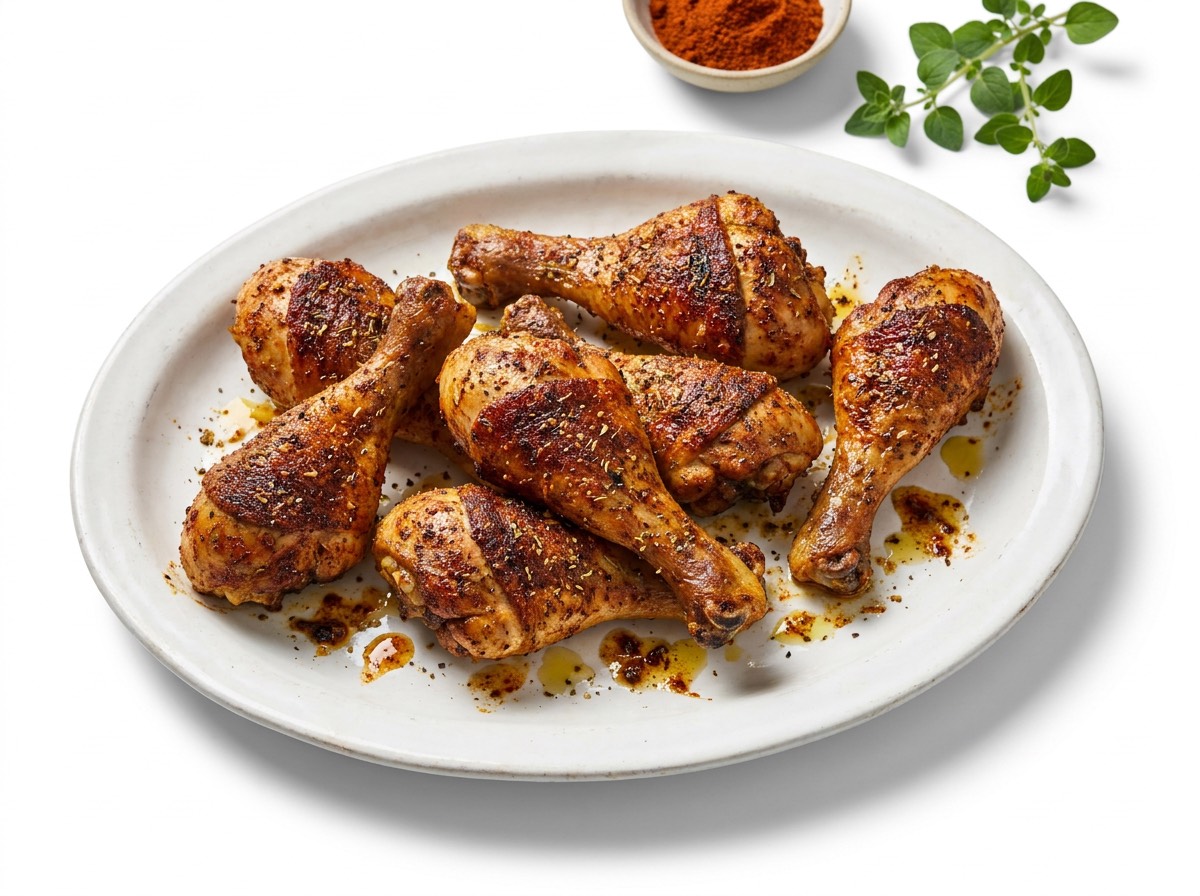
Baked Chicken Drumsticks
Seasoned chicken drumsticks baked until crisp, tender, and caramelised
Check the label of the ground spices, dried oregano and granulated garlic.
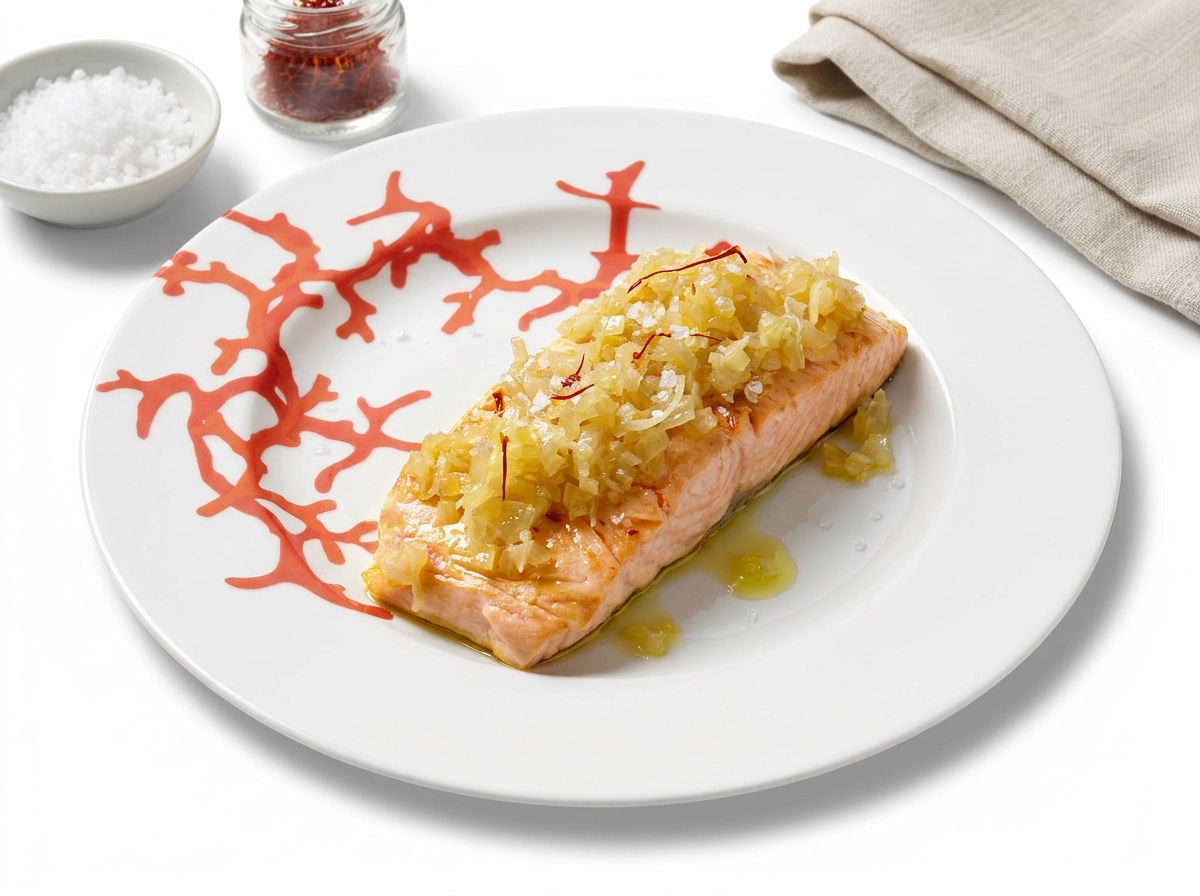
Salmon with Saffron and Shallots
Pan-seared salmon browned with shallots, seasoned with saffron and coarse salt.
Check the label of the saffron.
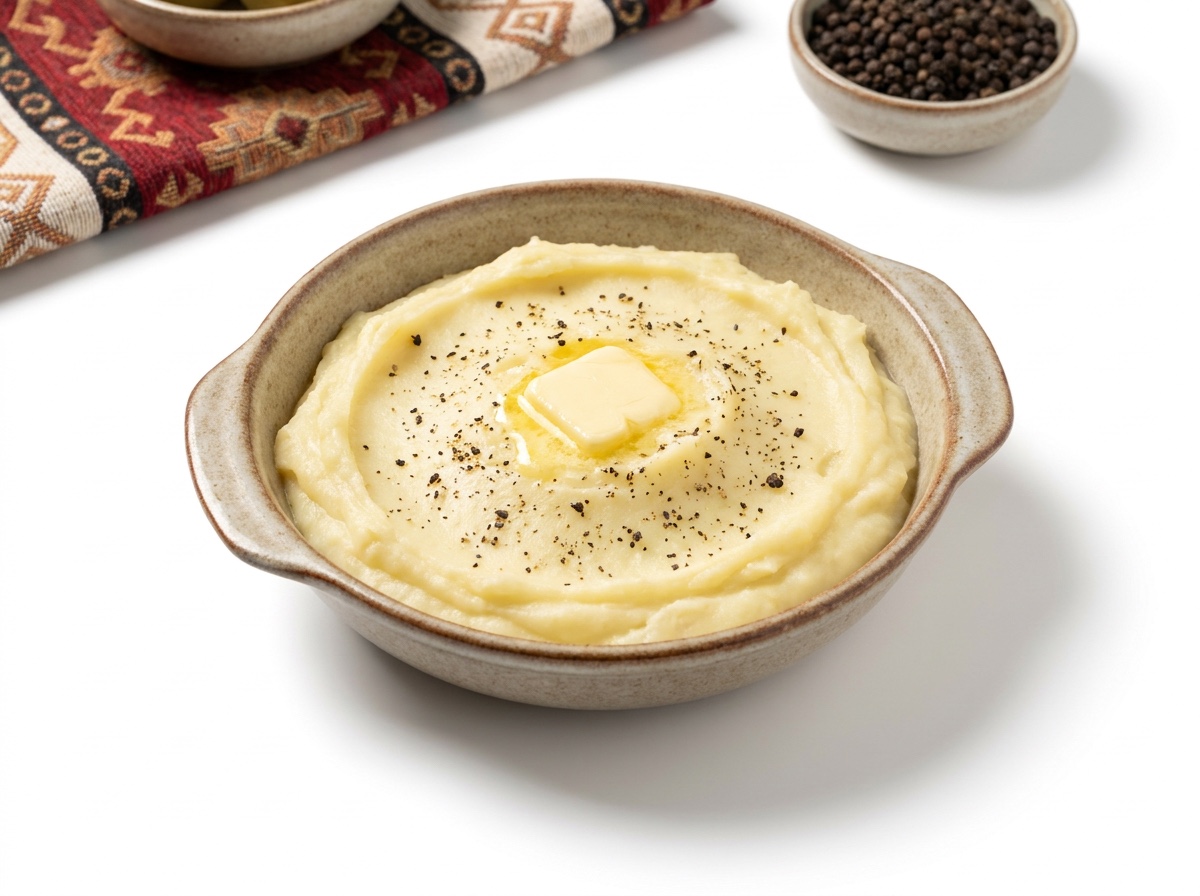
Mashed Potatoes
Smooth mashed potatoes whipped with butter, warm milk, and black pepper
Check the label of the milk, butter and ground black pepper.
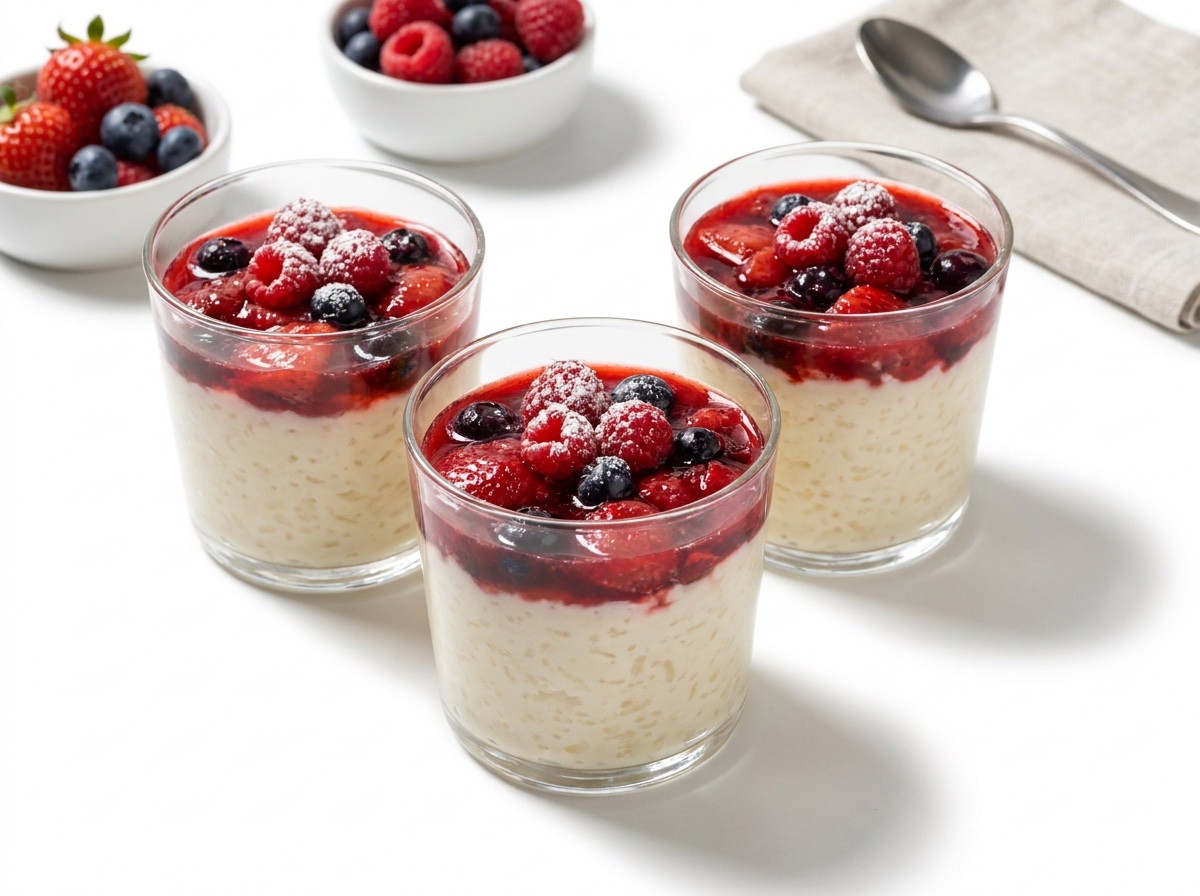
Rice Pudding with Red Berries
Creamy chilled rice pudding layered in glasses with cooked red berries
Check the label of the risotto rice and milk.
Gluten-free grocery list
Shop for the week by group. Anything in a box, can, jar or bag gets a note to read the label: NIDDK says ingredients made from gluten grains are added to many processed foods, including foods that are boxed, canned, frozen, packaged or prepared.
- Produce: fruit and vegetables.
- Meat and fish: meat and fish that are not breaded or battered.
- Dairy: most dairy products, such as cheese, butter and milk.
- Grains and starches: rice, rice noodles, potatoes, corn, quinoa, buckwheat.
- Flours: gluten-free flours, including rice, corn, soy and potato flour.
- Labeled gluten-free: bread, pasta, cereals, baked goods and oats, bought only in their gluten-free versions.
If you shop from paper, the printable grocery list has a box for each part of the store and a spot for what is already at home.
What “gluten-free” on a label means
In the United States, “gluten-free” is a voluntary claim defined by the FDA. A food may carry it when it is gluten-free by nature, or when it has no ingredient that is a gluten-containing grain, no ingredient made from such a grain that has not been processed to remove gluten, and no processed ingredient, such as wheat starch, that brings the food to 20 parts per million (ppm) of gluten or more. The food must contain less than 20 ppm of gluten.
The same rule covers “no gluten,” “free of gluten” and “without gluten.” Foods that meet the definition are not required to carry the claim, and the rule does not apply to foods whose labels are regulated by the USDA, such as meat, poultry and certain egg products. Oats labeled gluten-free must also contain less than 20 ppm gluten; they do not need to be certified to carry the claim.
In the UK, the NHS says that by law, food labelled gluten-free can contain no more than 20 ppm of gluten.
A label is the manufacturer’s statement about that product, and manufacturers change recipes, so read it each time you buy.
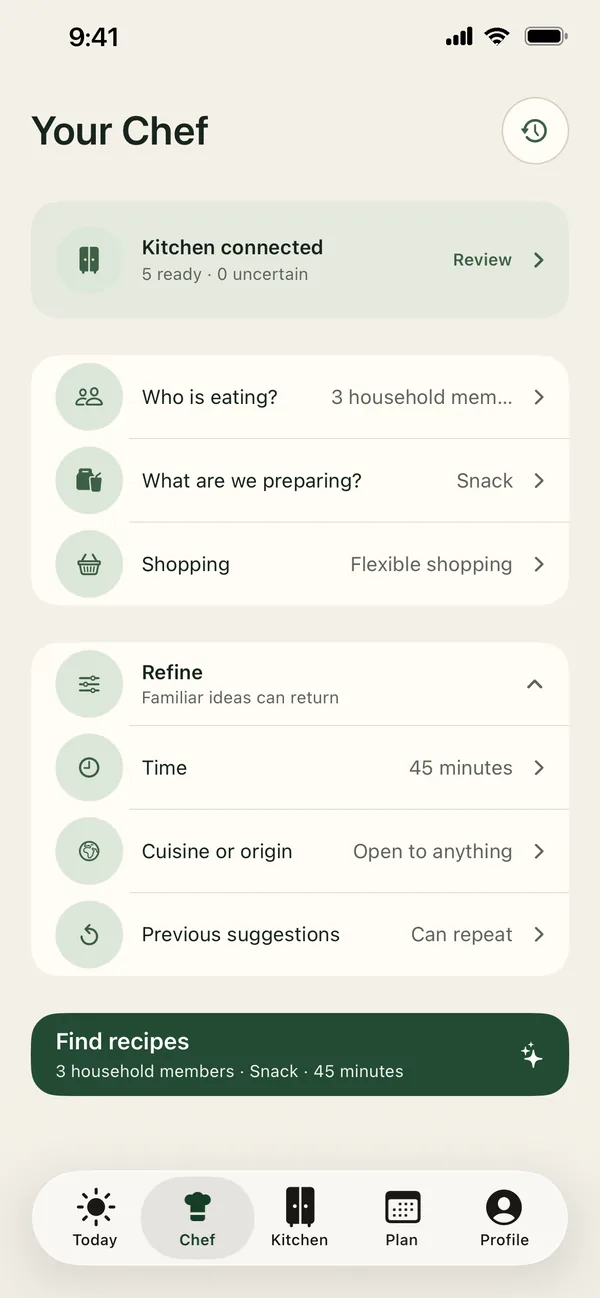
How PantryWeave helps with a gluten-free meal plan
PantryWeave is a weekly meal planner for iPhone: you plan from what you already have, and the grocery list holds only what is missing.
Wheat / gluten as an allergen
Each person’s profile has 13 allergen groups. Select Wheat / gluten for each person who avoids it; a diet, such as vegetarian, vegan or halal, and ingredient rules sit in the same profile.
Conflicts are left out
Recipes that conflict with the allergens of the people you choose in Who is eating? are left out of the suggestions.
You choose the meals
Mark the meals you want and plan them. Missing ingredients go to the grocery list, and what is already in Kitchen is subtracted. Before you cook, the planned meal is checked again.
A label reminder where you buy
Tap an item on the shopping list to see the person and the allergen it relates to. The note ends with “Check the label and ingredient list of the product you buy.”
About gluten. PantryWeave’s profile check is informational: it compares each recipe’s known ingredients with the allergens you select. Read the label of every product you buy, and if you have celiac disease, follow your doctor’s or registered dietitian’s advice. If you think you might have celiac disease, NIDDK advises talking with your doctor about testing before you begin a gluten-free diet, because the test results may not be accurate if you avoid gluten before testing.
Frequently asked questions
What foods are gluten-free?
Many foods are gluten-free by nature. NIDDK names meat, fish, fruits, vegetables, rice and potatoes without additives or some seasonings, and the NHS adds most dairy products, such as cheese, butter and milk. Packaged foods need a label check.
Is rice gluten-free?
Yes, plain rice has no gluten by nature: the NHS lists rice and rice noodles among foods that naturally do not contain gluten. NIDDK adds the condition “without additives or some seasonings”, so read the label on flavored or packaged rice.
Are oats gluten-free?
Oats do not contain gluten, the NHS says, but it advises avoiding oats and oat products that are not labelled gluten-free. NIDDK suggests talking with your doctor or a registered dietitian about whether to include oats. Under FDA rules, oats labeled gluten-free must contain less than 20 ppm gluten.
Can I plan a gluten-free and dairy-free week?
Yes. Build meals from foods that have neither, such as meat, fish, fruit, vegetables, rice and potatoes, and read labels for milk as well as for wheat, barley and rye. In PantryWeave, select both Milk and Wheat / gluten in that person’s allergens; recipes that conflict with either are left out of the suggestions for the people you choose in Who is eating?
Can a gluten-free meal plan be vegetarian?
Yes. A PantryWeave profile can hold a diet, such as vegetarian, together with the Wheat / gluten allergen, and suggestions are checked against both. Read the label of every packaged food you buy.
Where the facts come from
Read on November 15, 2026.
- 21 CFR 101.91: gluten-free labeling of food (definition of gluten and of the “gluten-free” claim, 20 ppm)
- FDA: questions and answers on the gluten-free food labeling final rule (voluntary claim, oats, USDA-regulated foods)
- NIDDK: eating, diet and nutrition for celiac disease (where gluten is found, foods gluten-free by nature, flours, label reading, oats)
- NHS: coeliac disease, treatment (foods that naturally do not contain gluten, foods to buy in gluten-free versions, 20 ppm in UK law, oats)
Related guides

Plan your week with Wheat / gluten in each profile
Download PantryWeave on the App Store, select Wheat / gluten in each profile that needs it, plan your first week and read the label of every packaged food you buy.

Free to start · iPhone